Forgive Us Our Debts
How Black Churches Use Bankruptcy to Survive
Format:Paperback
Publisher:The University of Chicago Press
Publishing:21st Sep '26
£24.00
This title is due to be published on 21st September, and will be despatched as soon as possible.
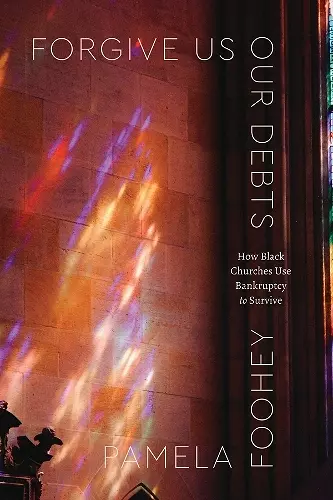
A revelatory study of how Black churches turn the financial system back against predatory lenders.
When American churches face financial difficulties, a disproportionately high number of Black churches reorganize under chapter 11 bankruptcy. There are no easy explanations for this distinction: not location, denomination, leadership structure, or the reasons for the loans. In Forgive Us Our Debts, legal scholar Pamela Foohey asks why, then, Black churches account for two-thirds of all congregations that file for chapter 11 bankruptcy every year.
Drawing on case studies of six Black churches and one white church, and 150 interviews with church leaders, members, and attorneys, Foohey finds answers in a long history of predatory lending. Unable to negotiate with recalcitrant loan officers, Black churches turn to the legal system to force reasonable concessions from lenders to prevent the stripping of their wealth and the destruction of their communities. While the structural discrimination remains, these churches have found in the bankruptcy system a refuge and some power to fight back.
“This compelling book is as surprising as it is informative. The surprise lies in convincingly showing that filing for bankruptcy can empower churches and provide a path not just to survive but to thrive. Drawing back the curtain on church bankruptcy experiences, Forgive Us Our Debts is a must-read for any church leaders—not just Black church leaders—facing the prospect of losing their building to a mortgage lender.”
-- Marck Chaves, Duke University“Drawing on data and interviews with church leaders and attorneys, Forgive Us Our Debts shows how bankruptcy is often a vital survival strategy for Black churches. Lenders often refuse to negotiate fairly with these churches, which forces church leaders and members to bear the emotional and financial burdens of chapter 11. Going forward, Foohey urges lenders to demonstrate flexibility, good faith, and a bit of grace when churches seek to forgive their debts.”
-- A. Mechele Dickerson, University of Texas at AuISBN: 9780226851587
Dimensions: unknown
Weight: 454g
288 pages