Making Face and Latine Neurodiversity
A Liberative Ethic
Format:Hardback
Publisher:Bloomsbury Publishing PLC
Publishing:7th Jan '27
£85.00
This title is due to be published on 7th January, and will be despatched as soon as possible.
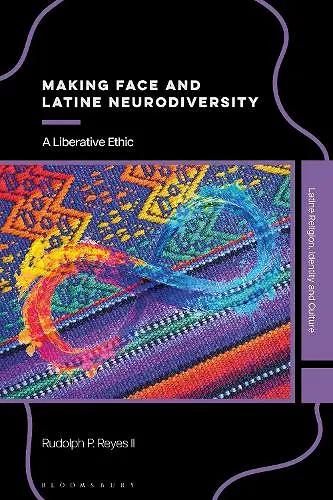
Concerned with how neurodivergent Latines combat the intersection of racism and ableism, this book explores methods of dismantling racialized neuro-normativity through a Christian ethical perspective.
This book examines how neurodivergent Latines encounter racialized ableism and explores methods for dismantling it. Neurodivergent Latines are made invisible in the dominant society, when neurodiversity is framed as an issue of individual embodiment rather than social justice. At the same time, communities of color disavow disability due to how it is used to justify racism. To challenge these issues, the book explores Latine neurodiversity through a Christian ethical perspective.
The central metaphor of this work is “haciendo cara.” “Haciendo cara,” or “making face,” is a Latine expression to describe an expressive face. Building upon Gloria Anzaldúa’s use of the metaphor, this book transforms it into an ethics for resisting racialized neuroableism. The metaphor draws upon the wells of Latine culture to challenge the marginalization of neurodivergent Latines.
Rudolph P. Reyes II deploys this metaphor as a tool to not only “make” one’s own face or identity, but also to begin “making” a more just society. To “make face,” as we learn, is the continual process of being unapologetically neurodivergent, transforming oppressive realities, and imagining neuro-futures
The most compelling case yet for the potential of neurodivergent theologies to counteract the invisibility of neurodivergent people. Making Face and Latine Neurodiversity deepens our understanding of racialized neuroableism through intersectional analysis rooted in lived experience of multiple identities. Reyes’ ethics of haciendo cara affirms neurodivergent Latine personhood against these oppressive ideologies. This is neurodivergent theology’s most substantive liberative ethic to date. * Jonathan Dunn, University of Leeds, UK *
Rudolph Reyes contributes a timely and essential contribution to the growing corpus of Neurodivergent theology. Presenting a sensitive combination of autoethnography and rigorous research, this is a work that meaningfully foregrounds Latine experience – a hitherto underrepresented set of perspectives and a body of lived wisdom. Rudy provides an inspirational resource for all researchers and readers in this field of scholarship. * Helena Cundill, University of Aberdeen, UK *
This important book develops our understanding of racialised neuroableism and enhances social ethics of neurodivergent liberation by expanding ‘unmasking’ as Anzaldúa’s ‘haciendo caras’ (‘making face’) and practicing it through dyslexic methodology. Within neurodivergent theology, Reyes’ book represents a major step forward in its unapologetic divergence, groundedness in marginalised communities and struggles, comprehensive analysis of intertwined oppressive systems, and divergent Christology. * Caleb M. Day, Durham University, UK *
ISBN: 9781350564329
Dimensions: unknown
Weight: unknown
168 pages