The Archival Afterlives of Philippine Cinema
Format:Paperback
Publisher:Duke University Press
Published:9th Feb '24
Should be back in stock very soon
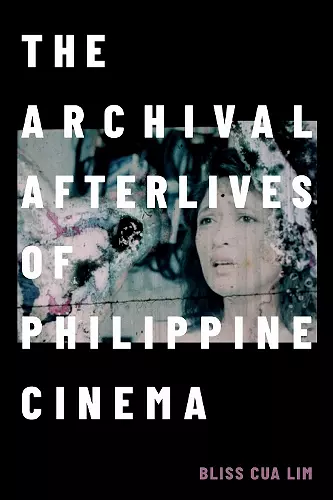
Drawing on cultural policy, queer and feminist theory, materialist media studies, and postcolonial historiography, Bliss Cua Lim analyzes the crisis-ridden history of Philippine film archiving-a history of lost films, limited access, and collapsed archives. Rather than denigrate underfunded Philippine audiovisual archives in contrast to institutions in the global North, The Archival Afterlives of Philippine Cinema shows how archival practices of making do can inspire alternative theoretical and historical approaches to cinema. Lim examines formal state and corporate archives, analyzing restorations of the last nitrate film and a star-studded lesbian classic as well as archiving under the Marcos dictatorship. She also foregrounds informal archival efforts: a cinephilic video store specializing in vintage Tagalog classics; a microcuratorial initiative for experimental films; and guerilla screenings for rural Visayan audiences. Throughout, Lim centers the improvisational creativity of audiovisual archivists, collectors, advocates, and amateurs who embrace imperfect access in the face of inhospitable conditions.
“In this timely and consequential book, Bliss Cua Lim summons a history of Philippine cinema that disrupts settled idioms of archival recuperation, restoration, and reparation. Through a dazzling and detailed analysis of the material, historical, and political precarity of Philippine cinema, Lim centers the afterlives of filmic archives sustained through institutional and community efforts. The Archival Afterlives of Philippine Cinema demands a much-needed cinematic history that conjoins the experiences, histories, and violence of a collective past and present.” - Anjali Arondekar, author of (Abundance: Sexuality's History) “Bliss Cua Lim unveils a searing and unforgettable saga of official neglect, false starts, waste, indifference, arcane politics, and amnesia that have tragically deprived the Philippines of so much of its film heritage. She also reveals the extensive grassroots activism, optimism, and spirit of persistence that will ultimately bring a lasting solution. This story will resonate with audiovisual archivists, memory professionals, and cultural advocates around the world.” - Ray Edmondson, author of (Audiovisual Archiving: Philosophy and Principles)
ISBN: 9781478025733
Dimensions: unknown
Weight: 445g
400 pages