Seeing into Screens
Eye Tracking and the Moving Image
Sean Redmond editor Professor Tessa Dwyer editor Claire Perkins editor Jodi Sita editor
Format:Paperback
Publisher:Bloomsbury Publishing PLC
Published:25th Jul '19
Currently unavailable, and unfortunately no date known when it will be back
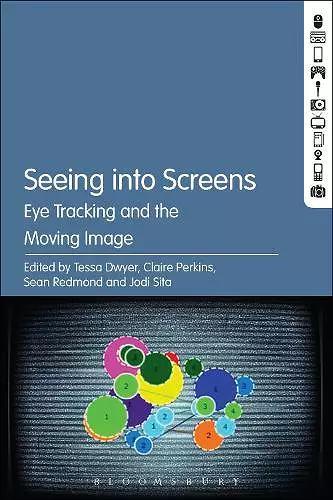
Seeing into Screens offers new modes of reflective analysis into moving-image culture by bringing together empirical research, neuroscience and conceptual screen theory.
Seeing into Screens: Eye Tracking and the Moving Image is the first dedicated anthology that explores vision and perception as it materializes as viewers watch screen content. While nearly all moving image research either ‘imagines’ how its audience responds to the screen, or focuses upon external responses, this collection utilizes the data produced from eye tracking technology to assess seeing and knowing, gazing and perceiving. The editors divide their collection into the following four sections: eye tracking performance, which addresses the ways viewers respond to screen genre, actor and star, auteur, and cinematography; eye tracking aesthetics which explores the way viewers gaze upon colour, light, movement, and space; eye tracking inscription, which examines the way the viewer responds to subtitles, translation, and written information found in the screen world; and eye tracking augmentation which examines the role of simulation, mediation, and technological intervention in the way viewers engage with screen content. At a time when the nature of viewing the screen is extending and diversifying across different platforms and exhibitions, Seeing into Screens is a timely exploration of how viewers watch the screen.
An absorbing collection that is bound to become a key text in the emerging areas of eye tracking studies and psychocinematics. Seeing into Screens brings together leading scholars in the field who offer rich and nuanced readings of screen examples through eye tracking analysis. In unison, they reveal the dramatic ways in which eye tracking analysis can enrich traditional approaches to film and screen studies, including aesthetics, cognition, narrative immersion, sound and music, and embodiment. A must read! * Angela Ndalianis, Professor in Media+Screen Studies, Swinburne University, Australia *
ISBN: 9781501354922
Dimensions: unknown
Weight: 390g
288 pages