Writing Old Age and Impairments in Late Medieval England
Format:Hardback
Publisher:Arc Humanities Press
Published:30th Apr '21
Currently unavailable, and unfortunately no date known when it will be back
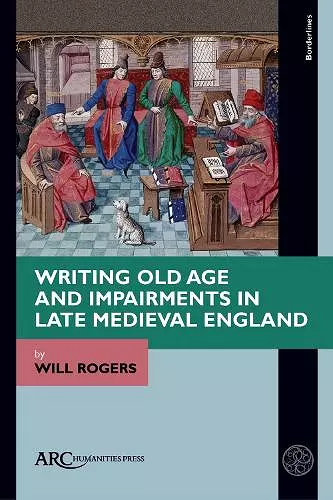
The old speaker in Middle English literature often claims to be impaired because of age. This admission is often followed by narratives that directly contradict it, as speakers, such as the Reeve in Chaucer's Canterbury Tales or Amans in Gower's Confessio Amantis, proceed to perform even as they claim debility. More than the modesty topos, this contradiction exists, the book argues, as prosthesis: old age brings with it debility, but discussing age-related impairments augments the old, impaired body, while simultaneously undercutting and emphasizing bodily impairments. This language of prosthesis becomes a metaphor for the works these speakers use to fashion narrative, which exist as incomplete yet powerful sources.
[A] valuable contribution to the study of both premodern disability and aging, investigating the intersections among discourses on old age, narrative, and impairment. As Rogers observes, the Old Man, in Middle English literature, is almost never depicted without a staff, and most importantly, he is often a loquacious fellow, offering complaint and advice. While these connections between old age and narrative are not immediately surprising, Rogers’s subtle study reveals the insistent and repeated deployment of narrative by figures of masculine old age in order not only to acknowledge the debilities of aging, but also to harness elderly complaint as a prosthetic dis- course that compensates for seeming inability.
-- Richard H. Godden * Speculum 98, no. 2 (April 2023): 642-ISBN: 9781641892544
Dimensions: unknown
Weight: unknown
160 pages
New edition