Washi.
The Thousand Faces of Japanese Paper
Veronika Bartha author Zita Godorne Hazenauer author Edina Kranitz author Mirjam Denes editor
Format:Paperback
Publisher:Ferenc Hopp Museum of Asiatic Arts (Hopp Ferenc Azsiai Muveszeti Muzeum)
Publishing:16th Nov '26
£40.00
This title is due to be published on 16th November, and will be despatched as soon as possible.
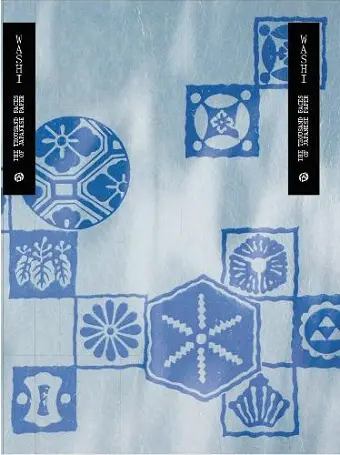
Washi | The Thousand Faces of Japanese Paper
25 September 2026 - 31 January 2027
Ferenc Hopp Museum of Asiatic Arts
The exhibition Washi | The Thousand Faces of Japanese Paper presents Japanese paper not merely as a craft material, but as a fundamental medium of Japanese society, culture, and ways of thinking—from everyday use to art and literacy. Through nearly 200 artefacts, documents, and interactive elements, the exhibition explores the process of producing washi, the material’s versatility, its historical role, and its contemporary reinterpretations, while also highlighting the preservation and restoration of paper. The exhibition is complemented by a rich programme of events and an international conference, engaging visitors of all ages.
The technology of papermaking reached Japan in the early seventh century via the continent—through China and Korea—and quickly adapted to local raw materials: the fibres of kōzo (paper mulberry), mitsumata, and gampi. The “thousand faces” of washi are most clearly grasped in the fact that it is not tied to a single genre or social stratum. Rather, it permeates multiple levels of Japanese everyday life: domestic space, clothing, ritual practice, representation, and artistic-heritage traditions—quietly, naturally, yet ubiquitously present. The exhibition presents washi as a handmade material emerging from local natural resources and demonstrates its culture-defining role. The objects and artworks included reveal the remarkable diversity of this simultaneously humble and noble material: manifestations of the practical, creative, and aesthetic possibilities inherent in the material qualities of Japanese paper.
At the turn of the nineteenth and twentieth centuries, the role of washi underwent radical transformation. Industrialisation during the Meiji period and the spread of Western-style machine-made paper (yōshi) displaced washi from state administration, education, and mass communication. Traditional papermaking declined in many regions, production volumes fell dramatically, and washi gradually retreated into the domains of craft, art, and cultural heritage. Yet this very marginalisation enabled its reinterpretation. From the latter half of the twentieth century onward, washi became one of the emblematic materials of “Japaneseness” (nihonsei), rediscovered by artists, architects, conservators, and cultural institutions both within Japan and internationally. Today, washi simultaneously survives as a craft tradition generously shared by Japan, as an identity-forming cultural symbol, and as a key witness to the historical economic and social functioning of Japan.
The Japanese collection of the Ferenc Hopp Museum of Asiatic Arts preserves nearly five thousand objects made from or based on washi. Understanding the function and significance of these objects is essential to their long-term preservation, successful conservation, and ensured accessibility. The exhibition builds upon the professional knowledge generated through conservation and diagnostic work carried out at the Hopp Museum and aims to draw international attention to the importance of the collection.
Contemporary artists also contribute to the exhibition with one work each, offering contemporary interpretations of washi: Ákos Czigány, Júlia Néma, Kata Tranker, Petra Füzes.
https://hoppmuseum.hu/en/events/details/351-Washi_The_Thousand_Faces_of_Japanese_Paper
Washi presents Japanese paper as a fundamental vehicle for Japanese society, culture, and thought. Through nearly 200 artworks, this publication explores the making of washi, the material's versatility, its historical role, and contemporary reinterpretations, with an emphasis on the preservation and restoration of paper.
Through nearly 200 artworks, documents, and interactive elements, the exhibition catalogue explores the making of washi, the material’s versatility, its historical role, and contemporary reinterpretations, with an emphasis on the preservation and restoration of paper. The main thematic sections explore the biology of washi; the making of washi; the relationship between paper and ink in calligraphy and painting; the relationship between paper and woodblock printing, books, and visual culture; and the many roles of paper in Japanese life, from architecture, ritual, hygiene, packaging, clothing, and seasonal festivals to contemporary art, design, conservation, and museum interpretation. The exhibition is based on research projects conducted at the Parkes Collection at the Victoria and Albert Museum and the Royal Botanic Gardens, Kew (London), and on local surveys and diagnostics related to paper-based Japanese objects.
ISBN: 9786156917041
Dimensions: unknown
Weight: unknown
312 pages