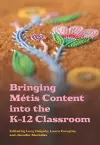
Bringing Métis Content Into the K-12 Classroom
3 contributors - Paperback
£34.00
Find out more
Lucy Delgado (she/they) is a two-spirit Métis woman from Winnipeg and a citizen of the Manitoba Métis Federation, with ancestral ties to St. Andrews and St. Johns, Manitoba. Lucy is the Canada Research Chair in Michif and Two-Spirit/Indigiqueer Education as Wellness and an Associate Professor in the Faculty of Education at the University of Manitoba.Lucy was named to CBC Manitoba's Top 40 Under 40, and she is actively involved in the Two-Spirit Michif Local of the Manitoba Métis Federation. A longtime community organizer, Lucy has been involved in initiatives such as Red Rising Magazine and Red Rising Education, 13 Fires, and the Mamawi Project and advocates for Two-Spirit/Indigiqueer Métis peoples in a variety of spaces, from academia to the United Nations.
Laura Forsythe (she/they) is a Michif Associate Professor in the Faculty of Education at the University of Winnipeg. With seven co-edited collections and as co-founding editor of Pawaatamihk: Journal of Metis Thinkers and the Canadian Journal of Indigenous Studies, Forsythe has helped lift up Indigenous scholars' works for over a decade. She is a citizen of the Manitoba Métis Federation, the official democratic and self-governing political representation of the Red River Métis. Her kinship ties include the Huppe, Ward, Berard, Morin, Lavallee, and Cyr lines. Her ancestors worked for the Northwest and Hudson's Bay Companies, fought in the Victory of Frog Plain, and owned Lot 31, the site of a contemporary Métis space called Pakan Town.
Jennifer Markides (she/her) is a member of the Métis Nation of Alberta and a Canada Research Chair and Associate Professor in Curriculum and Learning with the Werklund School of Education and the Faculty of Social Work at the University of Calgary. She received the 2021 Dissertation Award from the Canadian Association of Curriculum Studies for her doctoral study, titled "Wisdom and Well-being Post-Disaster: Stories Told by Youth," and was given an Outstanding Indigenous Scholar/Researcher Award in 2021 from the Indigenous Inquiries Circle. Jennifer's research focuses on the holistic well-being of youth and Indigenous education, towards systemic change and reconciliatory action. She prioritizes community-engaged partnerships, where the research is responsive to the needs, interests, and knowledges of communities. She utilizes Indigenous research methodologies, emancipatory pedagogies, and arts-based approaches in her scholarship.