Medieval Afterlives in Contemporary Culture
Format:Paperback
Publisher:Bloomsbury Publishing PLC
Published:24th Aug '17
Currently unavailable, and unfortunately no date known when it will be back
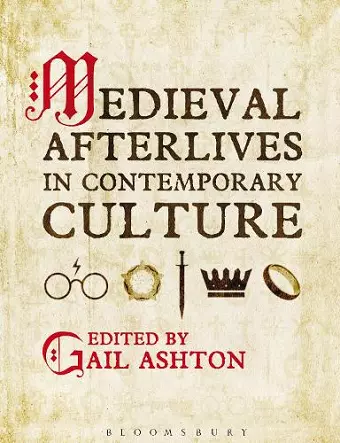
Covering a range of media from film and TV to games, blogs and merchandise, this is a comprehensive handbook to medieval appropriations in contemporary culture.
With contributions from 29 leading international scholars, this is the first single-volume guide to the appropriation of medieval texts in contemporary culture. Medieval Afterlives in Contemporary Culture covers a comprehensive range of media, including literature, film, TV, comic book adaptations, electronic media, performances, and commercial merchandise and tourism. Its lively chapters range from Spamalot to the RSC, Beowulf to Merlin, computer games to internet memes, opera to Young Adult fiction and contemporary poetry, and much more. Also included is a companion website at https://medievalafterlives.wordpress.com/ aimed at general readers, academics, and students interested in the burgeoning field of medieval afterlives, complete with: - Further reading/weblinks - ‘My favourite’ guides to contemporary medieval appropriations - Images and interviews - Guide to library archives and manuscript collections - Guide to heritage collection
This substantial collection comprises 29 essays on medieval culture in the present world … In the volume's five sections, contributors examine performative medievalisms, the Middle Ages as a media phenomenon, reimagining and reappropriating the medieval, cultural icons and artifacts, and networking and fan culture. There is something for everyone interested in medievalism, and the vast majority of the essays engage in new texts, spaces, and concepts. Things Arthurian are the focus of a number of essays, and Robin Hood is well represented. The most engaging essays are those that focus on the spread of the medieval to physical sites: Elizabeth Emery’s piece on medieval times in North America, Louise D’Arcens's contribution on Australian medievalisms, and Laurie Finke and Susan Aronstein’s interaction with Tintagel as a locus of tourism and national heritage. For this reader, the most significant contribution to this volume is Wendy Scase’s essay on medieval manuscripts and the benefits and problems of digitization. Summing Up: Recommended. Lower-division undergraduates and above. * CHOICE *
ISBN: 9781350021617
Dimensions: unknown
Weight: 839g
368 pages