The Philadelphia House
Organic Architecture and Placemaking in Chestnut Hill
Keith Gaddie author Khosrow Bozorgi author
Format:Hardback
Publisher:Bloomsbury Publishing PLC
Published:30th Jun '23
Currently unavailable, and unfortunately no date known when it will be back
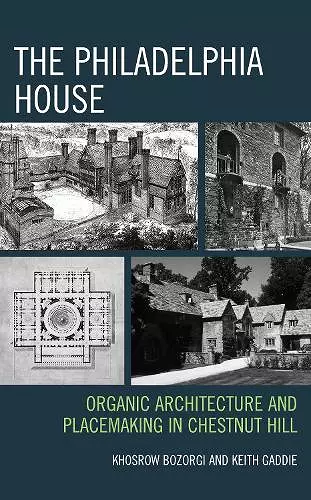
At the very beginning of the interwar period, a small collection of formally trained architects created a distinctive residential type which can undoubtedly be recognized as a Philadelphia landmark. They surpassed the conventional pseudo-classic or neo-Gothic eclectic solution by a unique adaptation of the principles and criteria of design to suit the expression of the exclusive cultural tradition of the clients and to respond to the natural environment.
The works of three Philadelphia architectural firms -- Mellor, Meigs and Howe, McGoodwin, and Willing and Sims -- are analyzed to explore this proposition, using six houses constructed between 1917 and 1928 as a basis. These homes and others located in the historic Chestnut Hill neighborhood are aesthetically pleasing. But they also represent a break with the past, the emergence of a new ‘type’ which is among the architectural design innovations of the last century generally conceived as ‘organic’ architecture. This work, which contains over 200 photographs and drawings, considers the houses, the training and development of the architects, the creation and development of Chestnut Hill itself, and the larger, distinct culture of Philadelphia in contributing to the emergence of this distinctive and lasting style.
Architects, architectural historians, and those living in the Chestnut Hill section of Philadelphia as well as in similar communities throughout the country will want to acquire this multifaceted treatise about The Philadelphia House. Dozens of illustrations of these houses and their landscaping will add both insight and enjoyment for readers. -- David Contosta, author of Suburb in the City: Chestnut Hill, Philadelphia; The Houstons and Woodwards of Chestnut Hill; and coauthor, with Carol Franklin, of Philadelphia’s Wissahickon Valley
“The Philadelphia House: Organic Architecture and Placemaking in Chestnut Hill” addresses to the characteristics of the iconic Chestnut Hills residences that emerged in the early twentieth century industrial society shaped by Philadelphia’s Quaker culture and artistic aspirations. They possess lasting effects still evident today.
As an architect who lived in a Chestnut Hill house straddling the edge of the Wissahickon Park and was designed by Willing, Sims and Talbutt, I found that the book portrays and echoes, with rigor and clarity, all the features particular to the Chestnut Hill house architectural paradigm. It captures the architects’ extraordinary collaboration with local craftsmen creating enduring architecture embedded and woven into the outstanding social community created by the Woodward and Houston families in the beginning years of the last century.
The book captures the sensitivity of the unique Chestnut Hill house designs that seamlessly unite the needs of family life, privacy, community engagement, utilization of local materials, craftsmanship, and Quaker societal values in early twentieth century Philadelphia. Remarkably appealing and cohesive residences resulted. Using the example of the courtyard as an essential element organizing the house and garden into a unified entity, the book defines the much- admired qualities that signify the “Chestnut Hill house”. Further, the book masterfully explores the various design influences of the Beaux Arts and the formative days of the American schools of Architecture that are evidenced in the featured houses.
ISBN: 9781538172568
Dimensions: 236mm x 158mm x 28mm
Weight: 744g
392 pages