Coloniality and the Rise of Liberation Thinking during the Sixteenth Century
Format:Hardback
Publisher:Arc Humanities Press
Published:31st Jan '21
Currently unavailable, and unfortunately no date known when it will be back
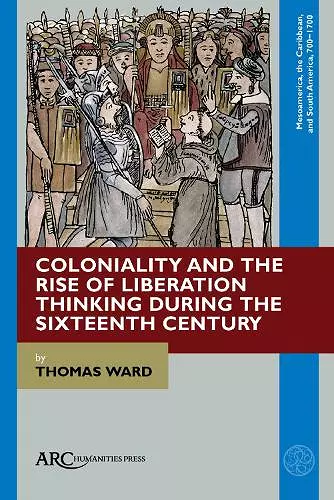
This book delves into the inadequately explored, liberative side of Humanism during the late Renaissance. While some long-sixteenth-century thinking anticipates twentieth-century Liberation Theology, a broader description is simply “liberation thinking,” which embraces its diverse, timeless, and sometimes nontheological aspects.
Two moments frame the treatment of American colonialism’s physical and mental pathways and the liberative response to them, known as liberation thinking. These are St. Thomas More’s Utopia, published in 1516, and Felipe Guaman Poma de Ayala’s thousand-page Nueva crónica y buen gobierno, completed one hundred years later. These works and others by Erasmus and Bartolomé de las Casas trace the development of the idea of human liberation in the face of degrading chattel and encomienda slavery as well as the peonage that gave rise to the hacienda system in the Americas. Catholic humanists such as More, Erasmus, Las Casas, and Guaman Poma developed arguments, theories, and even theology that attempted to deconstruct those subordinating structures.
Con Coloniality and the Rise of Liberation Thinking during the Sixteenth Century, Thomas Ward nos traslada a las Américas del siglo XVI y nos muestra su lado más sórdido: esclavitud, servidumbre, colonialidad, corrupción y avaricia. Junto con estas prácticas desgarradoras, el autor, también, nos presenta a cuatro autores que denunciaron los abusos que se llevaban a cabo en Europa y, especialmente, en América durante ese siglo. Erasmo de Róterdam, Moro, Las Casas y Guamán Poma de Ayala promueven con sus escritos un mundo mejor –quizás utópico–. En suma: el libro revela tanto a estudiantes como a académicos la realidad cruda de la Conquista, pero también ofrece un pensamiento esperanzador. [...] Asimismo, cabe destacar que la filosofía de la liberación –que propone el autor con gran acierto– puede aplicarse a un mundo actual en el que la servidumbre, la colonialidad, la corrupción y la avaricia siguen, infortunadamente, existiendo.
-- Conxita Domènech * Revista Iberoamericana 87, no. 276 (Julio–Septiembre 2021): 935–ISBN: 9781641894104
Dimensions: unknown
Weight: unknown
256 pages
New edition