Digital Medieval Studies—Practice and Preservation
Laura K Morreale editor Sean Gilsdorf editor
Format:Hardback
Publisher:Arc Humanities Press
Published:30th Jun '22
Should be back in stock very soon
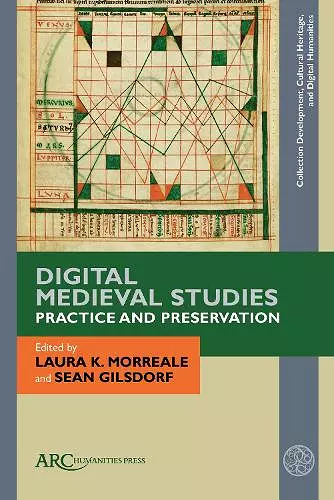
In the last decade, the terms “digital scholarship” and “digital humanities” have become commonplace in academia, spurring the creation of fellowships, research centres, and scholarly journals. What, however, does this “digital turn” mean for how you do scholarship as a medievalist? While many of us would never describe ourselves as “DH people,” computer-based tools and resources are central to the work we do every day in offices, libraries, and classrooms. This volume highlights the exciting ways digital methods are expanding and re-defining how we understand, represent, and teach the Middle Ages, and provides a new model for how this work is catalogued and reused within the scholarly community. The work of its contributors offers valuable insights into how “the digital” continues to shape the questions medievalists ask and the ways they answer them, but also into how those questions and answers can lead to new tools, approaches, and points of reference within the field of digital humanities itself.
Morreale and Gilsdorf’s Digital Medieval Studies: Practice and Preservation is a [...] valuable resource for all those interested in Digital Humanities and how to use them to create innovative ways of learning, teaching, and conducting research.
-- Ana Rita Martins * Limina 28, no. 2 (2023): 83-84 *Digital Medieval Studies is a short, 121-page, edited collection that makes an argument for using a specific methodology, known as the digital documentation process (DDP), to document digital schol- arly projects in medieval studies. Although it is now common for me- dievalists to preserve public GitHub repositories associated with their digital projects, DDP is a more structured approach aimed at document- ing projects narratively in a form accessible to scholars who are not versed in digital methodologies, including those who are involved in hiring and tenure decisions. Medievalists who have done at least some digital work are the book’s intended audience, and its primary agenda is to encourage them to preserve their projects in what, the contributors hope, will become a comprehensive, persistent, corpus of digital medi- eval scholarship.
-- Paul Evans * Digital Philology: A Journal of Medieval Cultures 12, no. 1 (Spring 2023): 147-ISBN: 9781641894463
Dimensions: unknown
Weight: unknown
128 pages
New edition