The Indians Were Prosperous
Documents of Salish, Pend D'Oreille, and Kootenai Indian History, 1900–1906
Joseph McDonald editor Robert J Bigart editor
Format:Paperback
Publisher:Salish Kootenai College
Published:1st Sep '21
Currently unavailable, and unfortunately no date known when it will be back
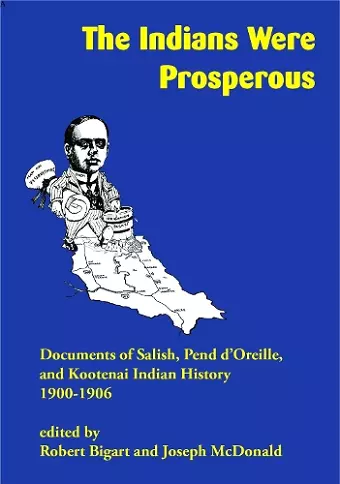
By the beginning of the nineteenth century the crescendo of economic change on the Flathead Reservation was reaching a climax. Income was not distributed equally on the reservation even though by 1905 the Indians were basically self-supporting and most of the poorer tribal members had enough to get by.
But the surrounding white community cast covetous eyes on tribal assets-especially the land. In 1903, Congressman Joseph Dixon led an assault on the tribes to force the sale of reservation land to white homesteaders at far below its real value. Tribal leaders realized they were being robbed and protested vigorously-to no avail. With the loss of their assets in land, the tribes’ future income declined, leaving them poorer than white rural Montanans. As part of the allotment policy, tribal members wrestled with a formal enrollment to determine who had rights on the reservation. White businessmen also moved to claim possession of the dam site at the foot of Flathead Lake. While the tribes were fighting against the coerced allotment, they fought the State of Montana over taxes and hunting rights. In the background alcohol and crime impacted some tribal members.
"Much tribal, reservation, and Montana history can be learned from these documents, and they will easily surpass expectations for historical researchers. In these times of increasing ancestral land acknowledgements, with growing organizational and personal interest in tribal histories, these collections provide readers with engaging details about Salish, Pend d'Oreille, and Kootenai Indians that would have remained difficult to access in their archival forms. The volumes provide this easy access to primary resources, and anyone with an interest in understanding Montana, the land, and its people more personally will benefit from this series."-Fred Noel, Tribal College Journal
ISBN: 9781934594285
Dimensions: unknown
Weight: unknown
362 pages